— How Modular Substations Strengthen Power Reliability in Critical Situations
1. Introduction: Why Emergency Power Supply Matters Today
Extreme weather events, rapid urban expansion, and the increasing dependence on digital infrastructure have pushed the demand for reliable emergency power supply systems to an all-time high. Power interruptions are more than an inconvenience — they disrupt manufacturing, halt data centers, affect public safety, and can even endanger lives in hospitals and mission-critical facilities.
In this environment, E-house (Electrical House) modular substations have emerged as one of the most effective solutions for supporting emergency power supply. Their fast deployment, plug-and-play configuration, and high reliability make them an invaluable asset for utilities and industrial users needing immediate electrical restoration.
This article explores the role of E-house in emergency power supply, outlining their structure, functions, advantages, applications, and implementation considerations — all in an accessible yet technically accurate way.
2. What Is an E-house? A Quick Overview
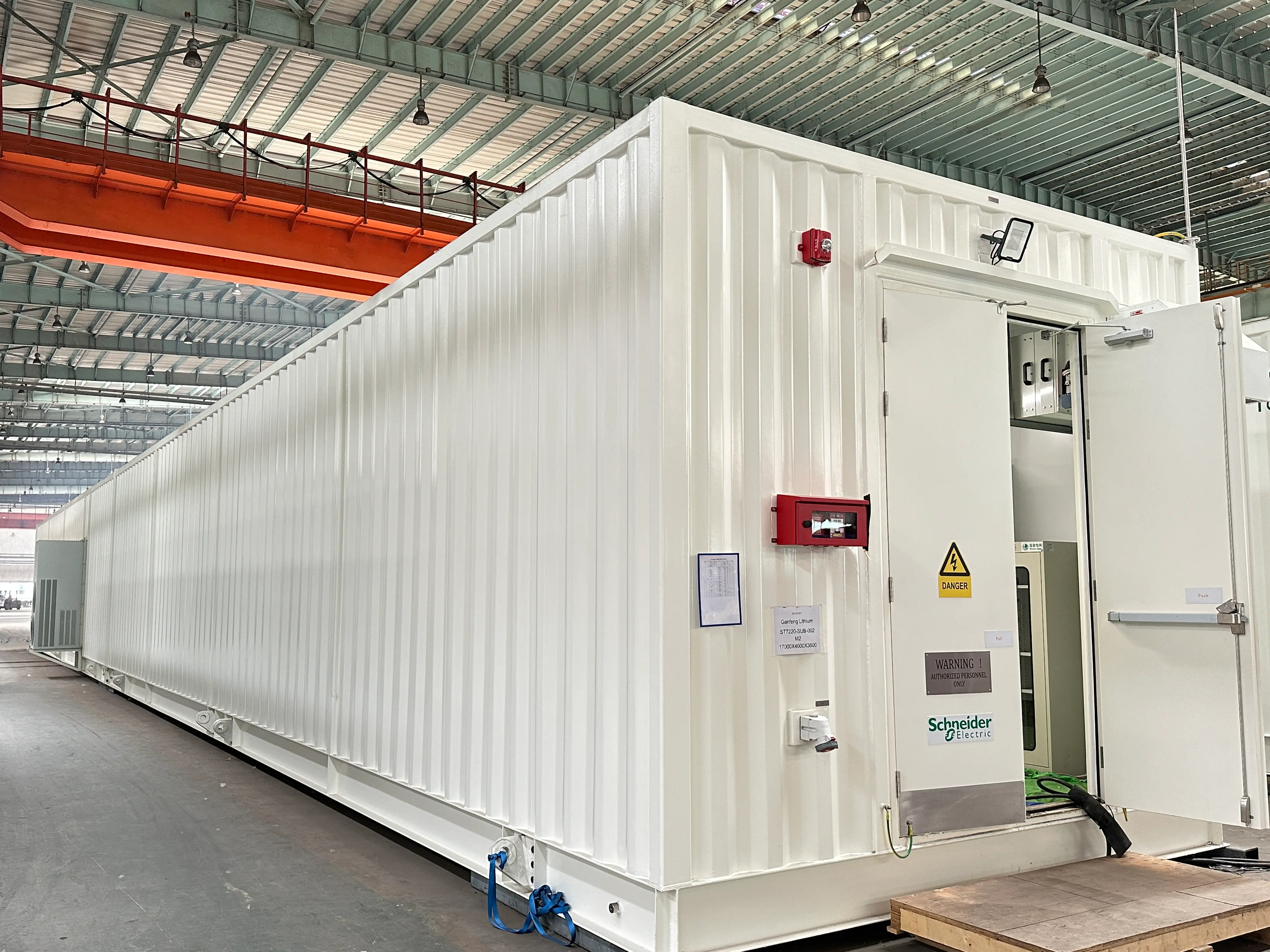
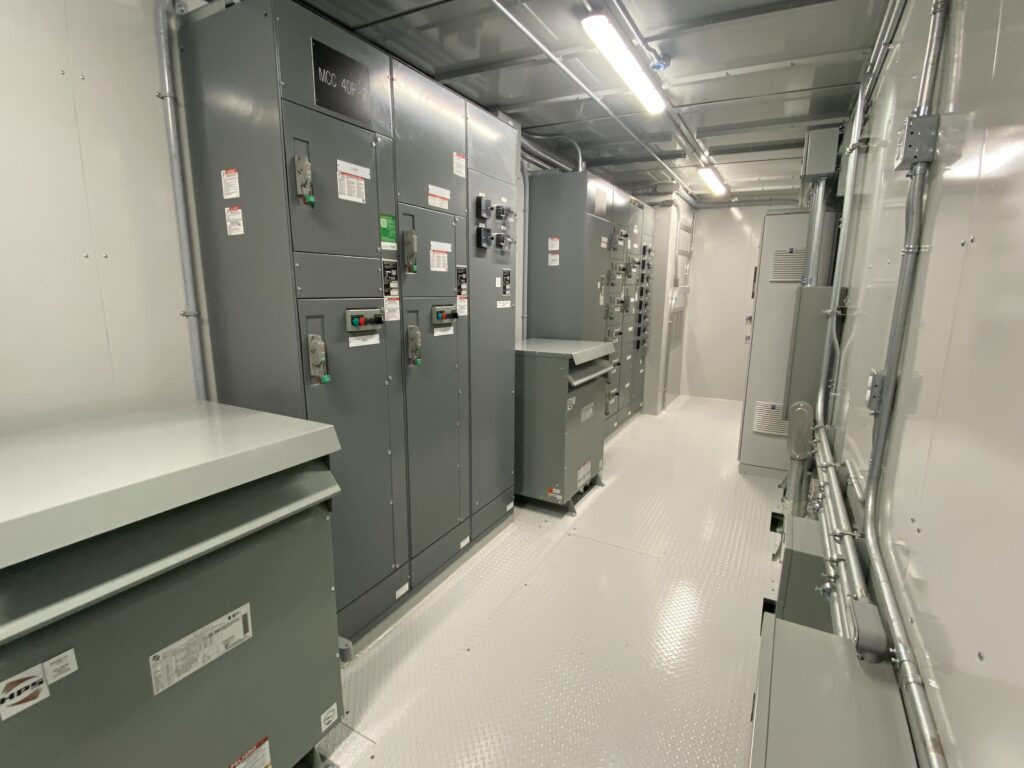
An E-house is a pre-assembled, factory-tested modular electrical building that integrates medium-voltage/lower-voltage switchgear, protection relays, transformers, UPS systems, HVAC, and control equipment in a single unit.
Unlike traditional concrete substations that require months of civil work, an E-house is:
-
Factory-built
-
Fully tested before shipping
-
Transported as a complete module
-
Installed on-site within hours or days
This makes it perfectly suited for emergency response scenarios where time, reliability, and mobility are crucial.
3. Why E-houses Are Ideal for Emergency Power Supply
Emergency power supply requires speed, flexibility, safety, and high continuity of service. E-houses excel in all these areas.
3.1 Rapid Deployment and Short Construction Cycle
During emergencies — such as natural disasters, plant outages, or system failures — downtime must be minimized. E-houses offer:
-
Zero on-site construction
-
Pre-installed electrical equipment
-
Factory FAT-tested functionality
-
“Drop-in place and energize” capability
This means an E-house can be operational 70–80% faster than traditional substations.
3.2 High Mobility and Flexibility
E-houses can be:
-
Delivered by trailer
-
Relocated between sites
-
Expanded with modular add-ons
For temporary emergency operations — such as grid reconstruction after typhoons or earthquakes — this mobility is critical.
3.3 Pre-engineered Reliability
Because E-houses are manufactured in controlled environments, they deliver:
-
Stable quality
-
Accurate wiring
-
Consistent performance
-
Reduced installation errors
This significantly lowers the risk of faults when rapid deployment is required.
3.4 Integrated Protection and Monitoring
Emergency power supply must be safe and fail-proof. E-houses integrate:
-
MV/LV switchgear
-
Relay protection devices
-
SCADA/communication systems
-
UPS and battery backup
-
Environmental monitoring (temperature, humidity, smoke)
This ensures that protection functions remain stable even in unstable external environments.
3.5 Environmental Adaptability
E-houses are designed to withstand:
-
Harsh climates
-
Dusty or corrosive environments
-
Temporary operation on disaster sites
-
Extreme temperature fluctuations (with HVAC)
This adaptability is a significant advantage over open-air temporary substations.
4. Key Functions of an E-house in Emergency Power Systems
E-houses can cover multiple critical functions depending on the situation.
4.1 Temporary Power Distribution Center
During grid failure, an E-house can serve as a temporary MV/LV distribution hub for:
-
Factories
-
Hospitals
-
Commercial districts
-
Remote power restoration sites
It ensures power is restored quickly even if existing infrastructure is damaged.
4.2 Mobile Backup Substation
Utilities can deploy E-houses as mobile replacement substations when:
-
A substation is under maintenance
-
A transformer is damaged
-
A natural disaster has disrupted the grid
-
Seasonal loads (summer/winter peaks) require reinforcement
This brings flexibility without new civil construction.
4.3 Disaster Response and Rescue Operations
E-houses are widely used in:
-
Earthquake recovery
-
Flood-damaged grid areas
-
Remote emergency shelters
-
Mobile medical units
Because they provide fast, stable power, E-houses are often integrated into national disaster response systems.
4.4 Backup Power for Critical Infrastructure
Industries that require extremely high reliability—such as:
-
Data centers
-
Oil & gas
-
Mining
-
Airports
-
Metro and railway hubs
-
Pharmaceutical and food processing facilities
use E-houses as secondary or emergency backup power centers to maintain continuous operation.
4.5 Support for Temporary or Seasonal Projects
When temporary loads require a reliable substation, such as:
-
Construction sites
-
Event venues
-
Remote renewable energy installations
E-houses serve as flexible, redeployable solutions.
5. Advantages of Using E-houses in Emergency Power Solutions
5.1 Speed: Deployment in Days Instead of Months
This is the most important factor during emergencies. E-houses drastically reduce downtime and economic losses.
5.2 Cost Efficiency
Because they eliminate civil work and reduce installation labor, overall costs can be 20–40% lower.
5.3 Factory Integrated Safety Systems
Protective relays and control systems are installed and tested before shipping, reducing field risk.
5.4 Scalability and Modular Expansion
Multiple E-houses can be connected to expand capacity quickly.
5.5 Reliable Operation Under Stress Conditions
The robust enclosure and HVAC ensure stable operation regardless of weather, dust, temperature, or humidity.
6. Practical Considerations for Emergency Power E-house Projects
6.1 Logistics and Transportation
E-houses require:
-
Proper lifting tools
-
Route surveys
-
Container-sized logistics planning
-
Ground reinforcement at the destination
6.2 Installation and Interconnection
On-site work usually includes:
-
Cable connection
-
Protective relay setting verification
-
Grounding and bonding
-
Communication integration
6.3 Commissioning and Testing
Even though factory FAT is completed, site testing includes:
-
Relay coordination check
-
MV/LV functional tests
-
SCADA integration tests
-
Environmental control checks
6.4 Maintenance for Emergency Preparedness
To ensure readiness:
-
HVAC and filters should be checked regularly
-
Protection devices should be recalibrated
-
Batteries and UPS systems must be tested
-
A remote monitoring system should be enabled
Proper maintenance ensures the E-house can be instantly activated in emergencies.
7. Common Application Scenarios Worldwide
7.1 Emergency Response Units for Utilities
Power companies maintain mobile E-house fleets to respond to grid failures.
7.2 Backup Power for Industrial Shutdown Avoidance
Manufacturing plants use E-houses to avoid costly production interruptions.
7.3 Temporary Substations for Renewable Energy Projects
Wind and solar farms often require temporary E-houses during construction phases.
7.4 Mobile Power Centers for Wartime or Geopolitical Instability
Some regions deploy E-houses to secure electricity supply during unstable conditions.
8. How Supports Emergency Power E-house Projects
E-house solutions are designed for demanding global conditions. Include:
-
Custom-engineered MV & LV switchgear integration
-
Fast production cycles
-
Modular, high-strength steel structures
-
Compliance with IEC, ANSI/IEEE, and UL standards
-
Full FAT testing before shipping
-
Global delivery capability
-
On-site installation support and commissioning
Whether for emergency response, disaster recovery, or industrial backup power, our E-house systems provide reliable, fast, and flexible energy support.
9. Conclusion
As power systems face rising challenges—extreme weather, increasing load demand, digital dependence, and the need for resilience—E-house modular substations are becoming indispensable. Their ability to deliver fast, reliable, and mobile emergency power supply makes them a critical asset for utilities, industries, and infrastructure developers.
With proper design, deployment, and maintenance, E-houses help organizations safeguard operations and maintain stability in even the toughest conditions.